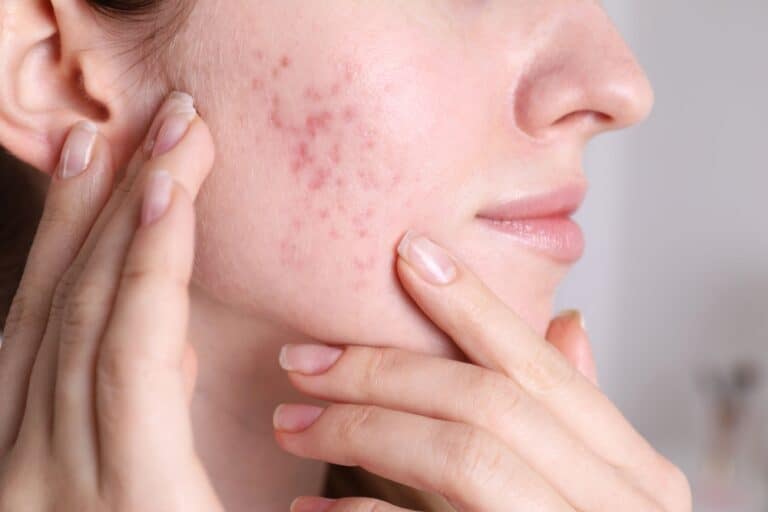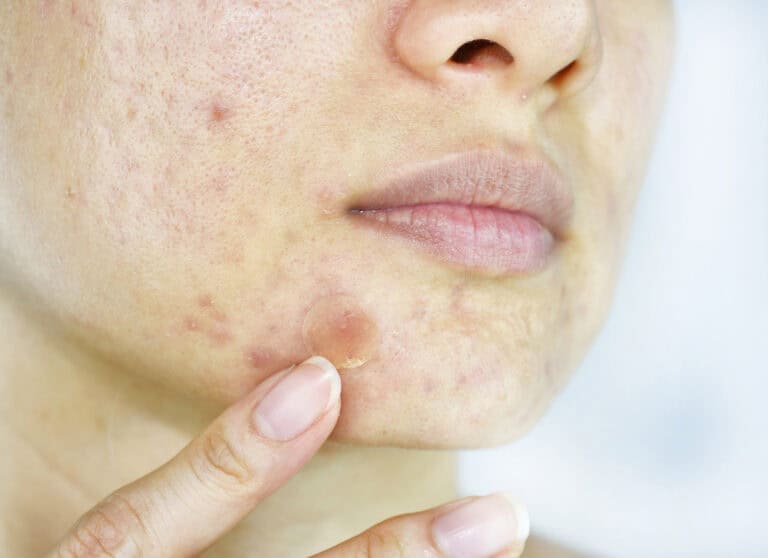

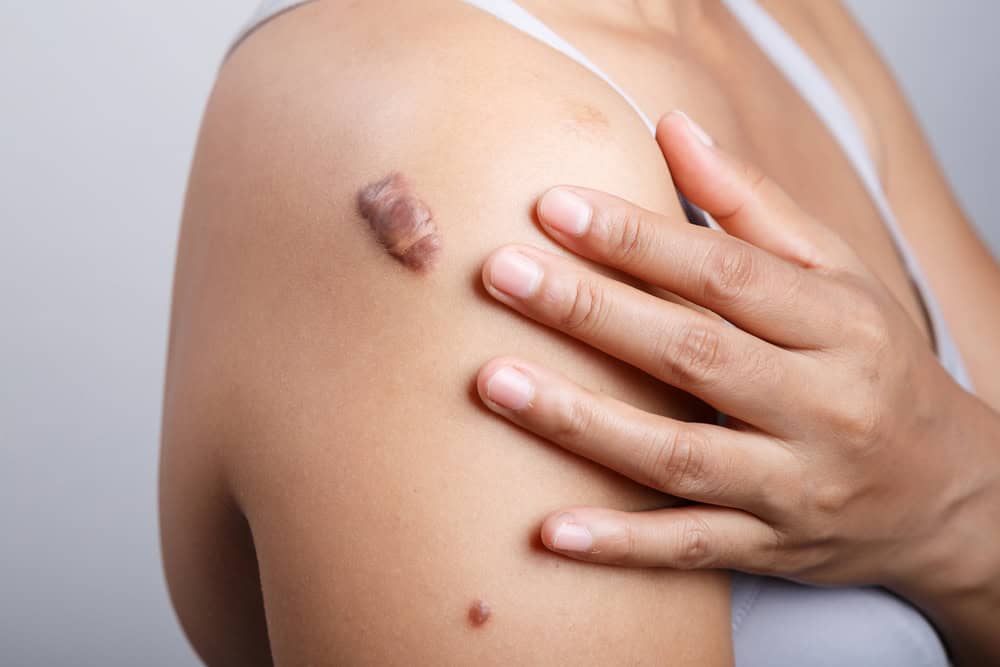
Most people expect a scar to fade with time, but the opposite happens for some with keloid scarring. A small cut, a piercing, or a healed acne lesion turns into a raised, expanding scar that pushes well past the boundary of the original injury. The scar can feel firm and rubbery, itch in waves, and sometimes pull on the surrounding skin enough to limit movement. It also creates a visible reminder that can weigh on one’s self-confidence.
If you have one, understanding what keloids are, what causes them, and what treatment options exist is the first step toward managing them safely.
What a Keloid Scar Actually Is
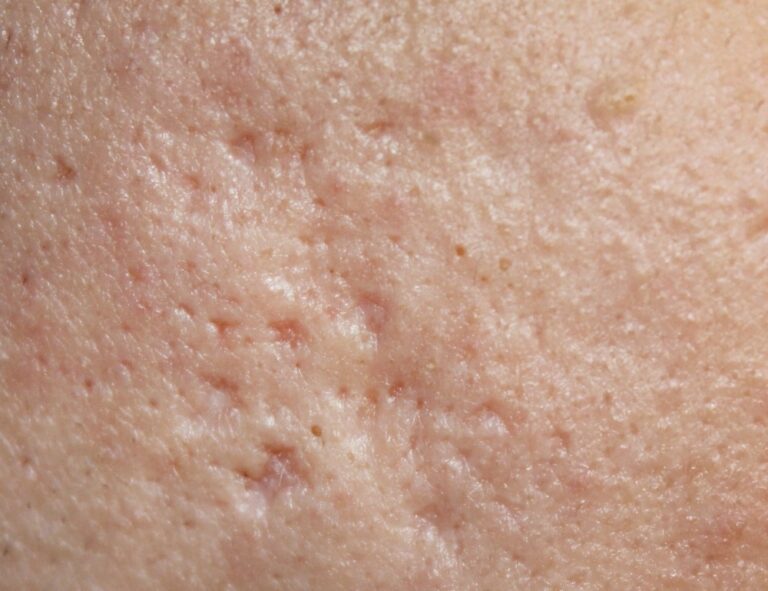
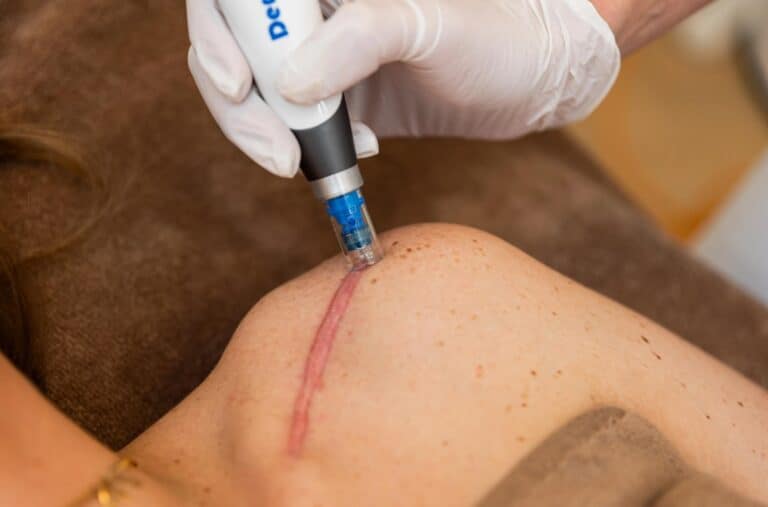
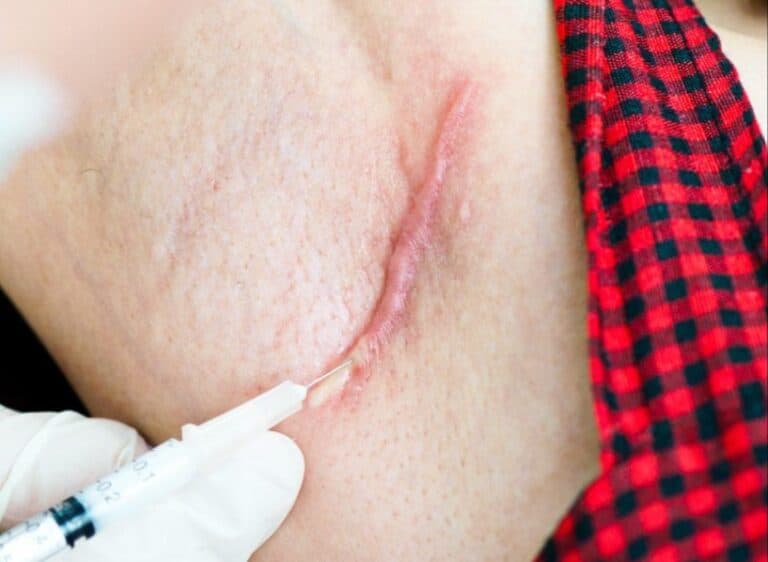
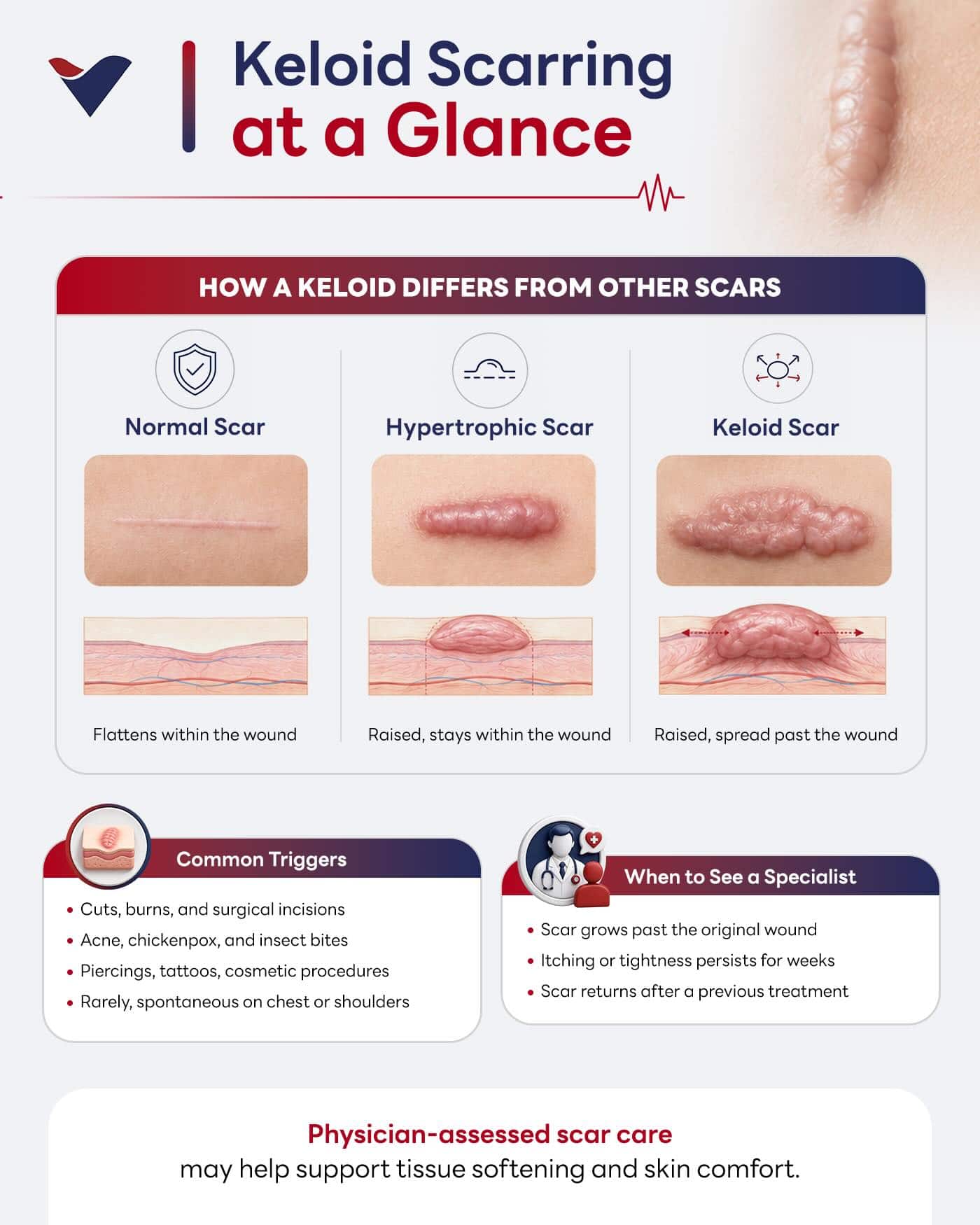
A keloid scar is an overgrown scar that rises above the skin’s surface and extends beyond the edges of the original wound. Standard scars settle and flatten over months, hypertrophic scars stay raised but remain within the original wound boundary, but a keloid does neither. It continues to expand for months or even years after the skin has technically closed, producing firm, rubbery, sometimes shiny tissue that ranges from pink and red to dark brown.
The texture is part of what makes keloid scarring so noticeable. Keloids on body can feel taut, tender to touch, and itchy for long stretches. It can create persistent discomfort in areas with frequent movement, such as the chest, shoulders, earlobes, or jawline, even interfering with daily activities like sleep, exercise, and clothing choices.
Why Keloid Scars Form Differently
Keloids are a wound-healing process that does not switch off the way it should. During normal repair, the body lays down collagen to close the wound, then gradually tapers production once the skin is restored.
With keloid scarring, that taper does not happen. Collagen production stays elevated and tissue keeps building, well past the point of repair. Researchers describe keloids as a disorder of the wound-healing pathway, where fibroblast activity stays elevated, growth-factor signaling remains active, and the inflammatory environment that normally tapers after closure persists for months. This results in gradual collagen accumulation that pushes the scar outward and upward over time, which is also why keloids can stay tender or itchy long after the original injury has closed.
Genetics play a significant role. Keloids are more common in individuals with darker skin tones, including people of African, Hispanic, or Asian descent, and they often run in families. Age and hormones can also influence how the skin responds, which is why younger adults and people going through periods of hormonal change can be more prone to them.
None of these factors guarantees a keloid will form, but they help explain why two people can experience the same injury and only one ends up with a keloid on their body.
Common Triggers Behind Keloid Scarring
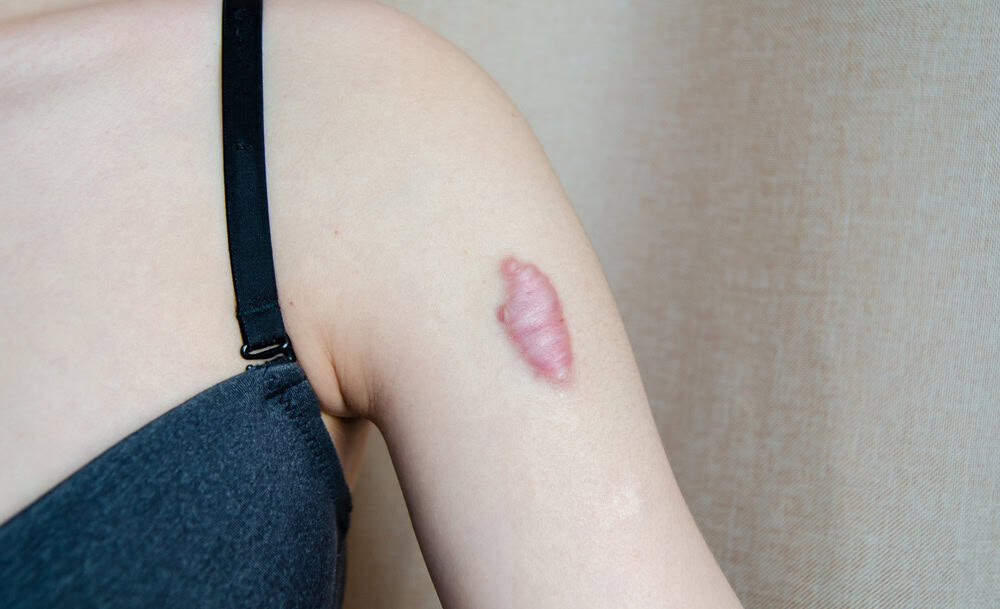
For someone prone to keloid scarring, almost any break in the skin can be a trigger. The most common include:
- Skin injuries: surgical incisions, minor cuts, scrapes, and burns.
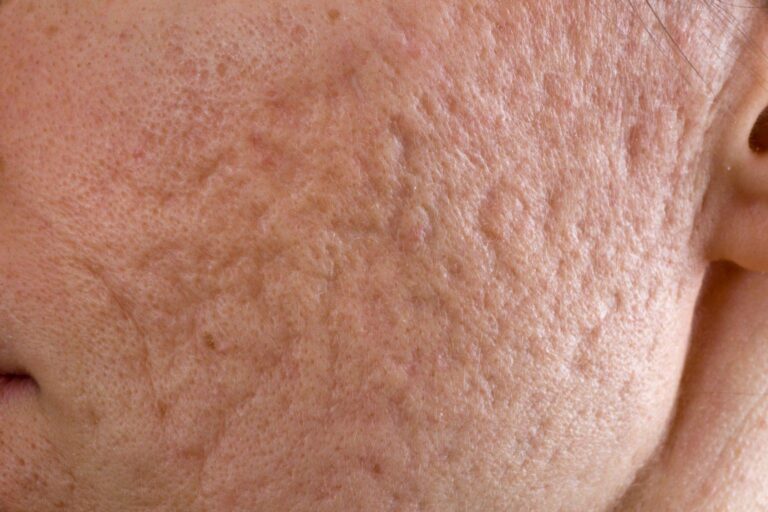
- Inflammatory skin conditions: cystic acne, chickenpox, and severe insect bites.
- Cosmetic procedures: ear and body piercings, tattoos, and certain cosmetic treatments.
- Spontaneous keloids: in rare cases, keloids appear on the chest, shoulders, or back with no clearly remembered injury.
The depth of the injury does not always predict the size of the scar. A small ear piercing in a prone individual can form a keloid larger than the original wound several times over, which is why early evaluation matters when the scar starts behaving unusually within the first weeks of healing.
How Specialist Scar Care Can Support Keloids
Keloid scars are persistent, and the wrong approach can make them grow further. Aggressive at-home treatments, abrasive scrubs, or repeated picking often inflame the tissue and accelerate growth. Generic over-the-counter scar gels are designed for flat or mildly raised scars and rarely address the underlying tissue overgrowth that defines a keloid scar on the body.
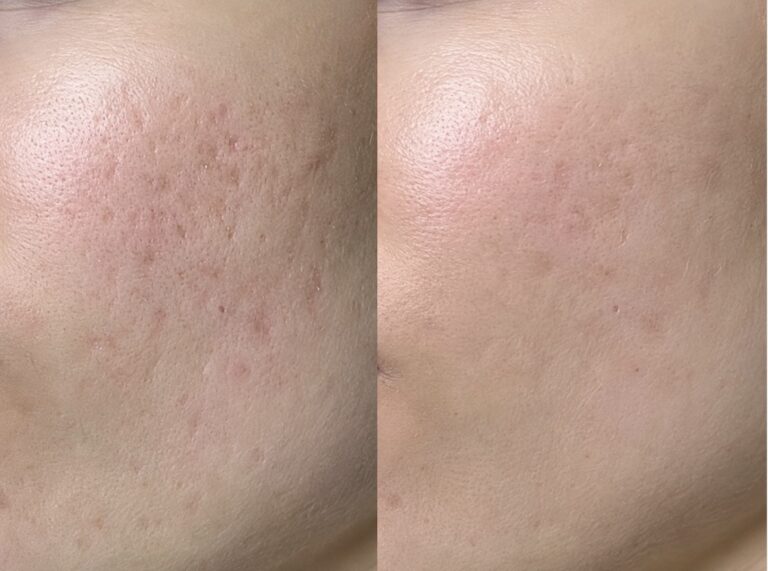
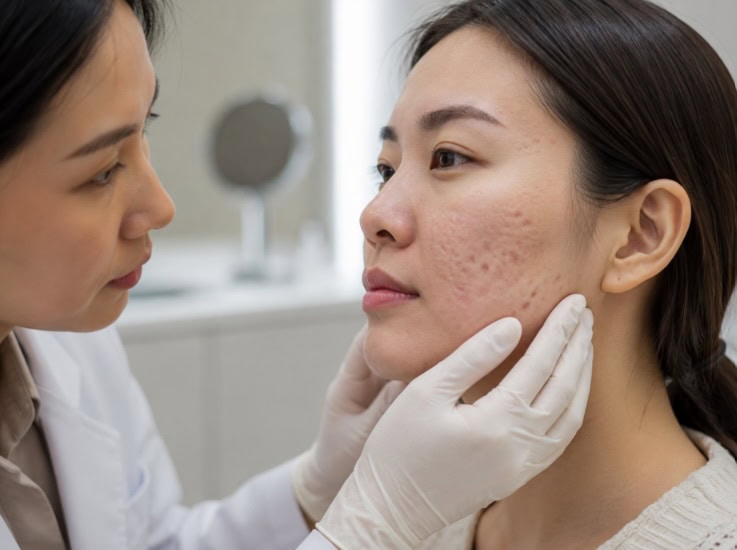
At Vega Derma, treatment for keloids begins with accurate diagnosis in a focused clinical setting. From there, care is built around the individual, with careful attention paid to the scar’s location, age, size, symptoms, and the patient’s skin type and goals. Tissue response is tracked objectively over time, with the approach adjusted as the scar flattens, softens, or changes in symptom profile.
The clinical posture is conservative and protective, with the aim being to support skin integrity, reduce discomfort like itching and tightness, and lower the risk of the keloid returning after treatment. For patients considering further procedures on or near a keloid-prone area, careful planning matters as much as the procedure itself.
When to Seek Specialist Keloid Care
Keloid scarring is complex, aggressive scars that rarely resolve on their own, and home treatment can worsen the irritation rather than calm it. The safer path is structured, dermatology-led care that diagnoses the scar accurately and tracks how it responds over time.

The Vega Derma Medical Team consists of board-certified dermatologists, specialized trichologists, and clinical researchers based in Bangkok, Thailand. Our team specializes in evidence-based regenerative dermatology, complex tissue repair, and advanced hair restoration (including precision FUE and FSE). Every protocol and article we publish is medically reviewed to ensure it meets international clinical standards, providing safe, science-backed guidance for our local and international patients.