
Key Takeaways
- Treatment is matched to scar type. Raised (hypertrophic, keloid) scars need softening and collagen-reducing protocols; depressed (atrophic) scars need resurfacing and volume; contractures often need release.
- Timing matters. The active remodeling window — roughly the first 6 to 24 months after a wound — is when scar tissue treatment produces the strongest results.
- Most protocols are multi-session. Expect 3 to 6 sessions for many treatments, spaced several weeks apart, with change appearing gradually over months.
- Regenerative therapies are supportive, not curative. Approaches like PRP and growth-factor treatments may improve outcomes but cannot fully erase deep scars.
- A consultation is essential. Scar type, depth, age, skin tone, and medical history all change the recommended plan and expected result.
Table of Contents
Scar tissue treatment covers the medical and regenerative methods used to soften, flatten, resurface, or rebalance abnormal scars so that skin heals with better texture, colour, and flexibility. The right approach depends almost entirely on your scar type — a raised keloid, a depressed acne scar, and a tight burn contracture each respond to different protocols. This guide explains every mainstream and emerging option, matches each to the scar it treats, and sets realistic expectations for sessions, cost, and results.
What Is Scar Tissue Remodeling?
Scar tissue treatment is any clinical intervention that improves how a scar looks or functions by influencing collagen, inflammation, and the surrounding skin. Rather than removing a scar entirely, most treatments aim to:
- Flatten and soften raised scars
- Resurface and refill depressed scars
- Release tight, movement-restricting scars
- Even out colour, pigment, and redness
- Ease symptoms such as itch, tightness, or pain
Because scars are living tissue that keeps changing for months after a wound closes, well-timed treatment for scar tissue can meaningfully steer the final result — a process clinicians call scar tissue remodeling.
Scar Tissue Treatment by Scar Type
Different scars call for different tools. Use this table to see which scar tissue therapy is typically matched to each scar type, along with a general guide to sessions, cost, and expected results.
| Scar Type | Best-Matched Treatments | Typical Sessions | Approx. Cost (per session) | Expected Results |
|---|---|---|---|---|
| Hypertrophic (raised, within wound border) | Silicone therapy, corticosteroid injection, pulsed-dye laser, pressure therapy | 3–6, every 3–4 weeks | [Insert clinic pricing] | Flatter, softer scar; reduced redness, itch, and tightness |
| Keloid (raised, grows beyond wound) | Corticosteroid injection, cryotherapy, laser, radiation (select cases), combination therapy | 4–8+, ongoing maintenance often needed | [Insert clinic pricing] | Reduced size and firmness; lower recurrence risk with combination care |
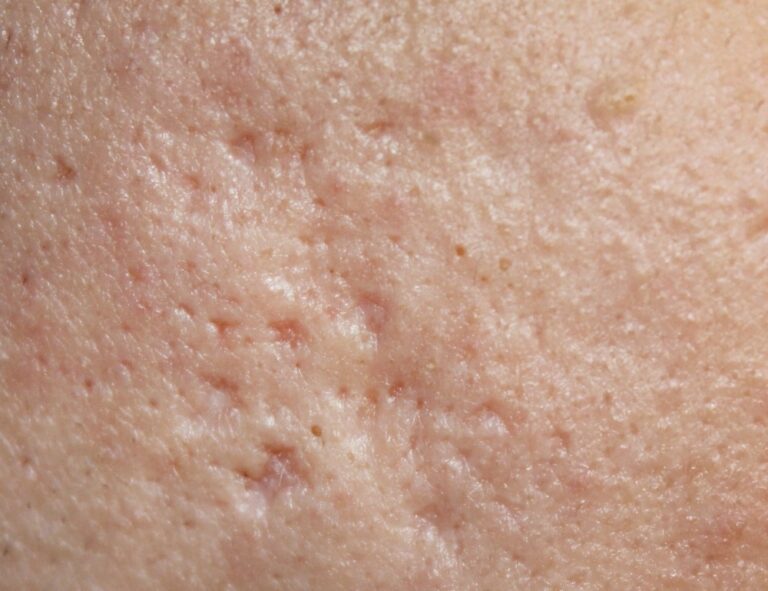
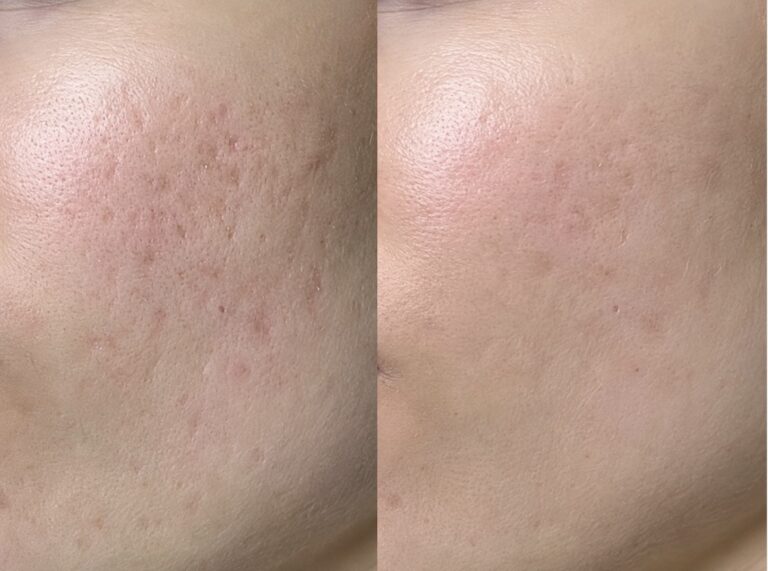
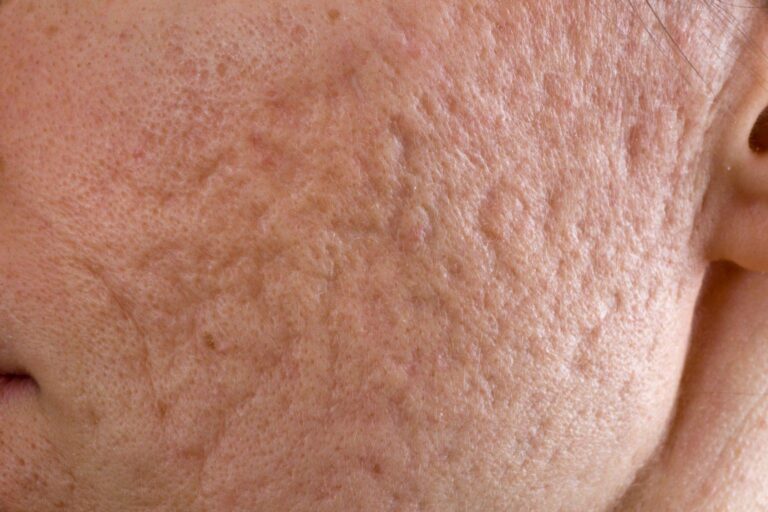
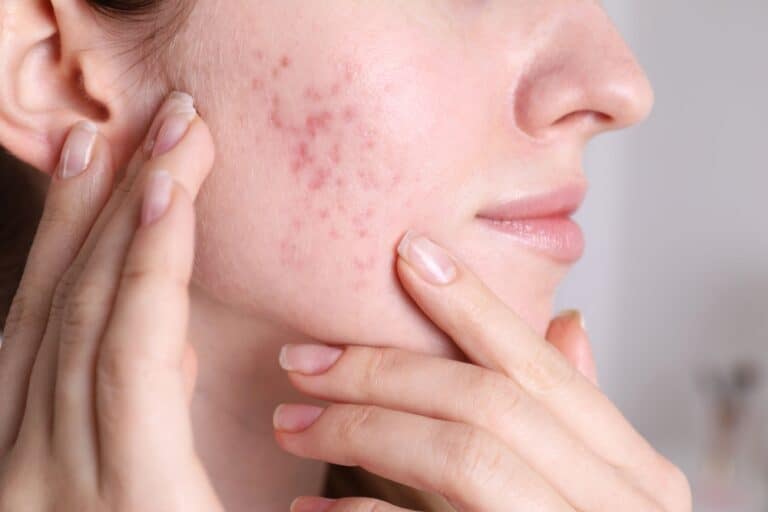
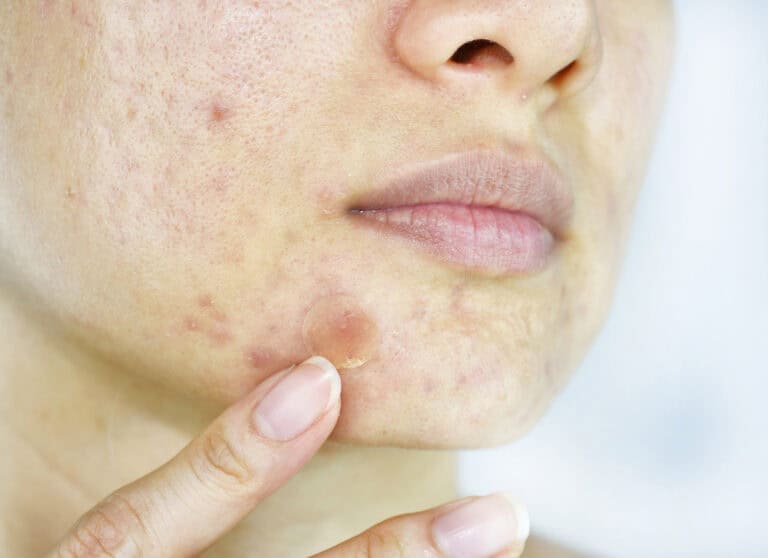
| Atrophic / acne (depressed, pitted) | Microneedling, fractional laser, subcision, dermal fillers, chemical peels | 3–6, every 4–6 weeks | [Insert clinic pricing] | Smoother texture, shallower depressions, more even surface |
| Contracture (tight, restricts movement — often burns) | Laser, physical therapy, silicone, surgical release (severe cases) | Varies by severity | [Insert clinic pricing] | Improved flexibility and range of motion; softer tissue |
| Stretch marks (striae) | Microneedling, fractional laser, topical retinoids, radiofrequency | 4–8 | [Insert clinic pricing] | Reduced visibility, improved texture and tone |
| Mature / flat (pale, stable) | Laser for colour, resurfacing for texture; often observation | 1–4 or as needed | [Insert clinic pricing] | Modest colour and texture refinement |
How Scar Tissue Treatments Work
Below are the established clinical options, what each does, and the scars they suit best.
Silicone Therapy
Silicone gels and sheets are a widely used first-line option. They improve hydration and reduce excess collagen production, helping raised scars flatten and soften. Best for hypertrophic scars and post-surgical scar prevention.
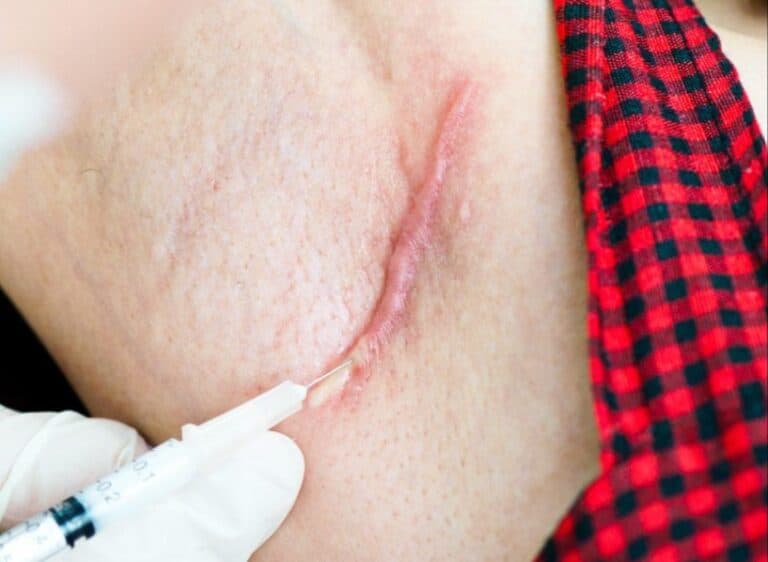
Corticosteroid Injections
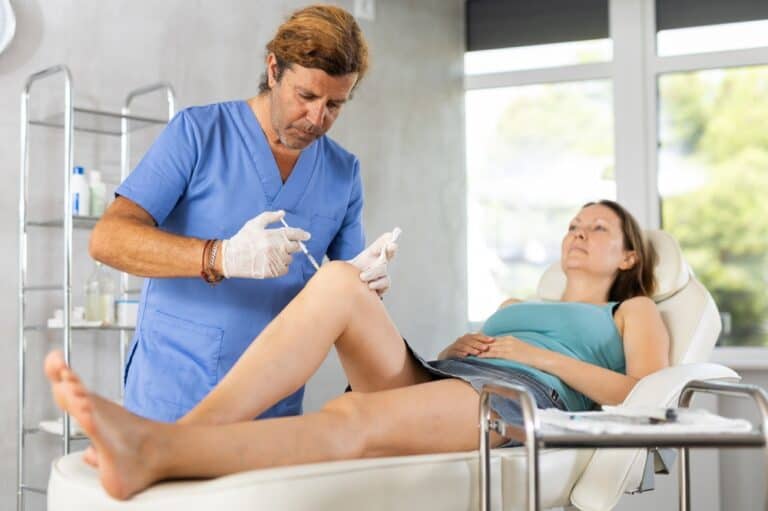
Steroid injections reduce inflammation and collagen overproduction directly inside the scar. A mainstay for hypertrophic and keloid scars, often combined with other methods.
Laser Therapy
- Vascular / pulsed-dye lasers target the small blood vessels that keep scars pink or red, reducing discolouration.
- Ablative lasers (CO₂, erbium) remove outer scarred layers to prompt smoother new skin.
- Non-ablative / fractional lasers heat the skin to stimulate collagen remodeling without removing the surface.
Suits acne scars, surgical scars, and colour-related concerns.
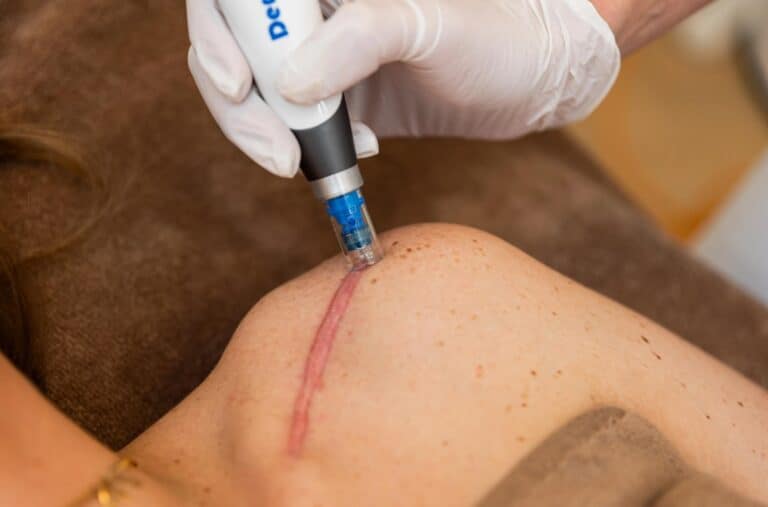
Microneedling
Controlled micro-injuries trigger natural collagen remodeling, improving depressed atrophic and acne scars and overall texture.
Subcision and Dermal Fillers
For depressed scars, subcision releases the fibrous bands tethering the scar down, while fillers add volume beneath it to lift the surface. Often paired with resurfacing.
Cryotherapy, Pressure, and Radiation
- Cryotherapy (freezing) is used for select keloids.
- Pressure therapy applied over months can reduce raised scars during maturation.
- Superficial radiation is reserved for stubborn keloids, usually alongside surgery.
Most scars respond best to a combination, matched to type and severity by a clinician.
Regenerative Approaches to Scar Tissue Therapy
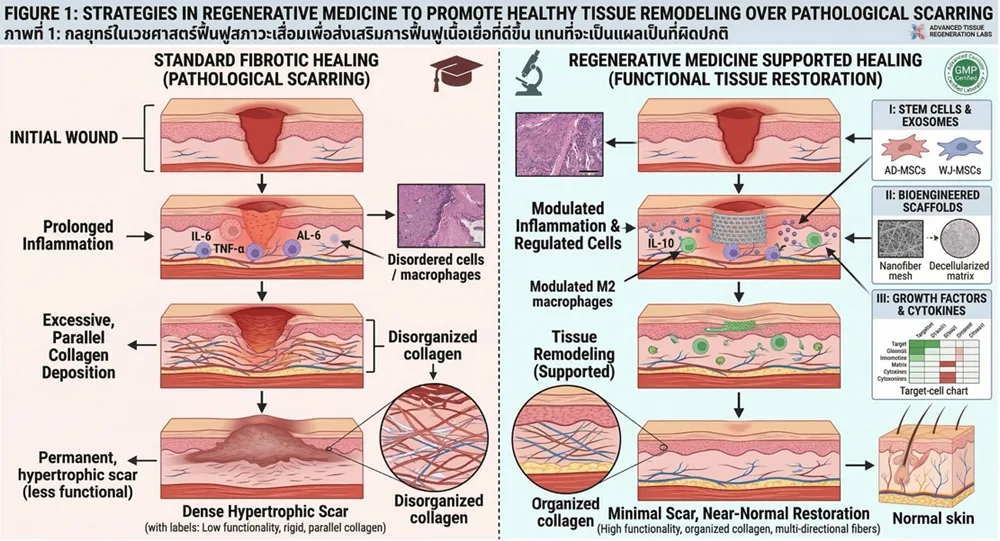
Regenerative medicine focuses on supporting the body’s own repair mechanisms rather than removing tissue. These approaches are an active and promising area of research, and are typically positioned as supportive to established care.
They aim to:
- Modulate inflammation
- Improve cell-to-cell signalling
- Support healthy extracellular matrix remodeling
- Encourage more organised collagen alignment
Growth Factors and Paracrine Signalling
Wound-healing cells communicate through growth factors that regulate migration, proliferation, and repair — including VEGF, PDGF, TGF-β, and FGF. Balanced signalling helps coordinate repair while limiting excess scarring.
Cell-Based and Cellular-Messenger Approaches
Certain regenerative cells appear to act mainly through paracrine signalling — releasing bioactive factors rather than directly replacing tissue — which may help modulate inflammation, support new blood-vessel formation, and encourage balanced matrix remodeling.
Extracellular Vesicles
Tiny cell-released particles carrying proteins and RNA may facilitate cell communication during healing and contribute to remodeling. This remains an evolving research area.
The Biology Behind Scar Tissue Remodeling
Understanding scar tissue remodeling explains why treatment timing and type matter so much.
Wound healing moves through four overlapping phases:
- Hemostasis: a clot stops bleeding and forms a temporary barrier.
- Inflammation: immune cells clear debris and bacteria.
- Proliferation: fibroblasts lay down collagen and extracellular matrix.
- Remodeling: collagen reorganises and matures over months.
During remodeling, several mechanisms determine scar quality:
- Collagen reorganisation: early type III collagen is gradually replaced by stronger, more organised type I collagen.
- Matrix metalloproteinases (MMPs): enzymes that break down excess matrix so tissue can restructure.
- Myofibroblast activity: contract the wound, then normally die off — if they persist, excess scarring can result.
- Vascular remodeling: early blood vessels regress or stabilise as tissue matures.
When these stay balanced, scars soften and flatten. When they don’t, scars turn raised, stiff, or discoloured — which is what treatment aims to correct.
Factors That Influence Scar Quality
- Prolonged inflammation
- Poor oxygen supply or circulation
- Mechanical stress on healing tissue
- Wound infection
- Age and genetic predisposition
Who Is a Candidate for Scar Tissue Treatment?
You may be a good candidate if you have:
- Hypertrophic or keloid scars resistant to first-line care
- Atrophic acne scars or stretch marks you want to smooth
- Contracture scars limiting movement
- Scars causing itch, tightness, or pain
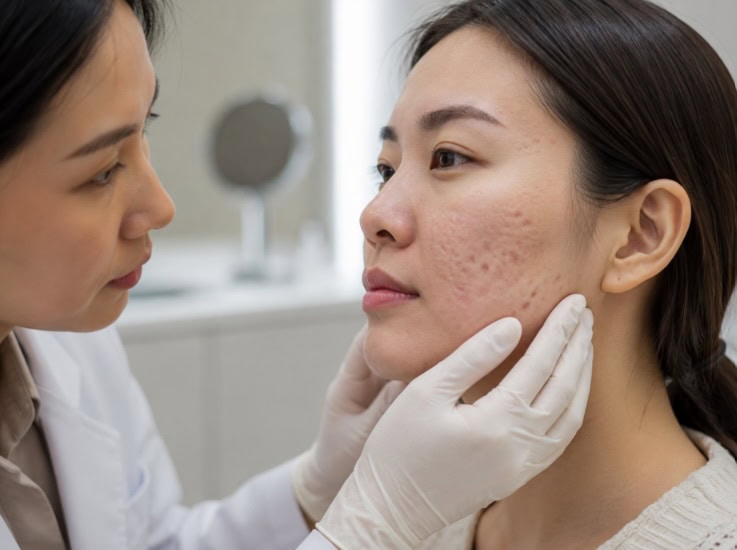
Treatment is generally not recommended during active infection, uncontrolled systemic disease, or (depending on the modality) pregnancy. A physician-assessed consultation confirms the right approach and sets realistic expectations for your scar type and skin.
Treatment Timeline and Realistic Expectations
Even with treatment, scar improvement is gradual:
- First 3 months: early softening, less redness, initial texture change
- 3–6 months: more noticeable gains in pliability, height, and colour
- 6–12 months: continued maturation — flatter, smoother, less reactive
- 1–2 years: final remodeling; tone and flexibility stabilise
Realistic goals focus on improving pliability, reducing height and thickness, softening borders, evening colour, and easing symptoms — not fully erasing deep scars. Earlier treatment within the active remodeling window generally produces better results than treating a scar that matured years ago.
How to Support Your Results at Home
- Sun protection: daily broad-spectrum SPF 30+ — UV worsens pigmentation in healing scars.
- Silicone gel or sheets as directed by your clinician.
- Gentle massage only when advised.
- Balanced nutrition and avoiding smoking to support healing.
- Follow your prescribed topical or dressing regimen to protect in-clinic results.
Conclusion
Scar formation is essential to healing, but the quality of the final scar depends largely on how tissue remodels in the months that follow. With evidence-aware care including silicone, laser, microneedling, and emerging regenerative approaches at Vega Derma, patients can support healthier repair and improved long-term outcomes.
Frequently Asked Questions About Scar Tissue Remodeling Therapy
Q: Can scar tissue really be remodeled years after an injury?
A: Scar tissue continues to remodel slowly for months to years, and older scars can still respond to targeted therapies such as laser resurfacing, microneedling, intralesional treatments, and regenerative approaches. Results are generally more modest than with early treatment, but improvements in texture, color, pliability, and symptoms like itch or tightness are often achievable for suitable candidates.Q: Is scar tissue regeneration the same as completely regrowing normal skin?
A: No. Current regenerative therapies aim to make scars look and feel closer to normal skin by influencing collagen organization, blood supply, and inflammatory signaling. They typically improve appearance and function rather than fully restore original skin architecture. A physician-assessed consultation helps set realistic expectations.Q: How many sessions of scar tissue remodeling therapy will I need?
A: Most programs involve multiple sessions spaced several weeks apart, often three to six in total, with visible changes appearing gradually over several months as the remodeling process unfolds. The exact number depends on scar type, age, depth, and individual response.Q: Are regenerative scar treatments safe?
A: Published studies on regenerative approaches such as platelet-rich plasma, conditioned media, and growth-factor-based therapies report generally favorable safety profiles when performed by trained specialists, with mostly mild and temporary side effects such as redness, swelling, or bruising. Suitability depends on medical history, scar type, and concurrent conditions, which is why physician assessment is essential.Q: What can I do at home to support scar tissue remodeling?
A: Daily sun protection (broad-spectrum SPF 30 or higher) is one of the most important steps, since UV exposure can worsen pigmentation in healing scars. Gentle massage when advised by your clinician, silicone gel or sheet use as directed, balanced nutrition, avoiding smoking, and following the prescribed topical or dressing regimen can all help support healthier remodeling and protect in-clinic results.References:
- Cleveland Clinic – Scars — https://my.clevelandclinic.org/health/diseases/11030-scar
- NIH/PMC – Update on Postsurgical Scar Management (keloids respond differently than hypertrophic scars; combination therapy) — https://pmc.ncbi.nlm.nih.gov/articles/PMC4961501/
- NIH/PMC – Atrophic Postacne Scar Treatment: Narrative Review (resurfacing, subcision, fillers, needling; combining methods outperforms monotherapy) — https://www.ncbi.nlm.nih.gov/pmc/articles/PMC10918545/
- Journal of the American Academy of Dermatology – PRP for acne scars systematic review: PRP + fractional ablative laser over 2–3 sessions, one month apart, improved scar appearance — https://www.jaad.org/article/S0190-9622(18)32955-4/abstract
- J Cosmetic Dermatology (Long et al., 2020) meta-analysis: microneedling or subcision with PRP beat the same procedures alone — https://pubmed.ncbi.nlm.nih.gov/32061047/

The Vega Derma Medical Team consists of board-certified dermatologists, specialized trichologists, and clinical researchers based in Bangkok, Thailand. Our team specializes in evidence-based regenerative dermatology, complex tissue repair, and advanced hair restoration (including precision FUE and FSE). Every protocol and article we publish is medically reviewed to ensure it meets international clinical standards, providing safe, science-backed guidance for our local and international patients.