

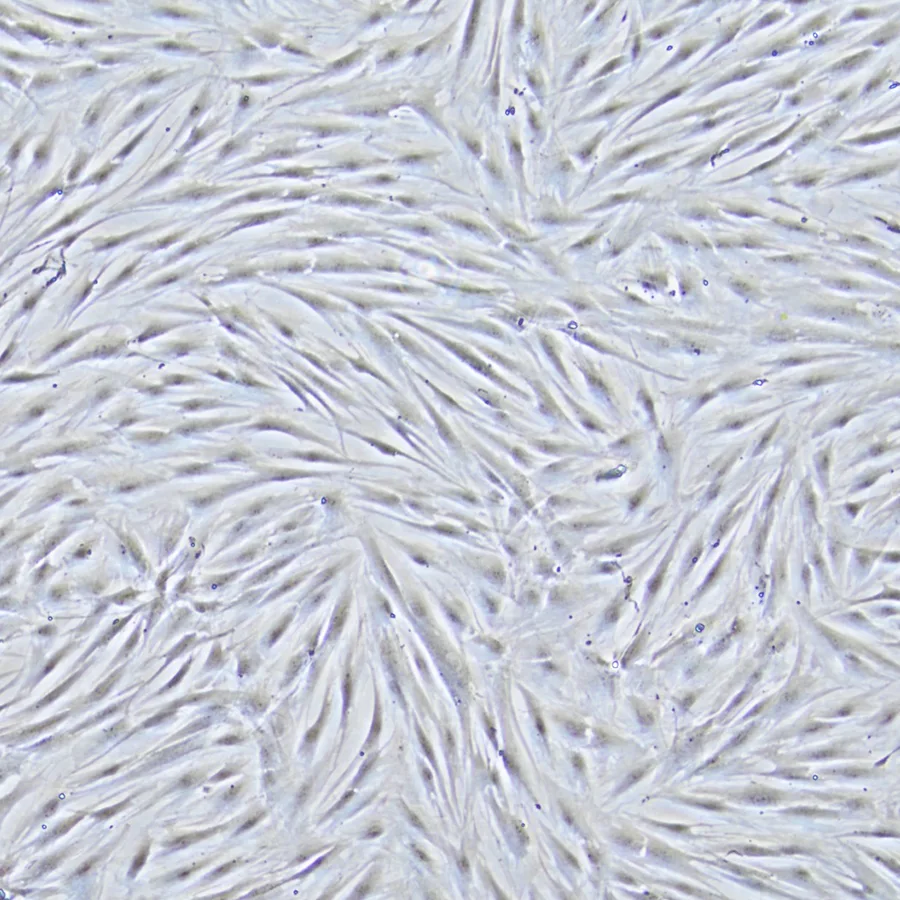
What Is Follicular Signaling Enhancement (FSE)?
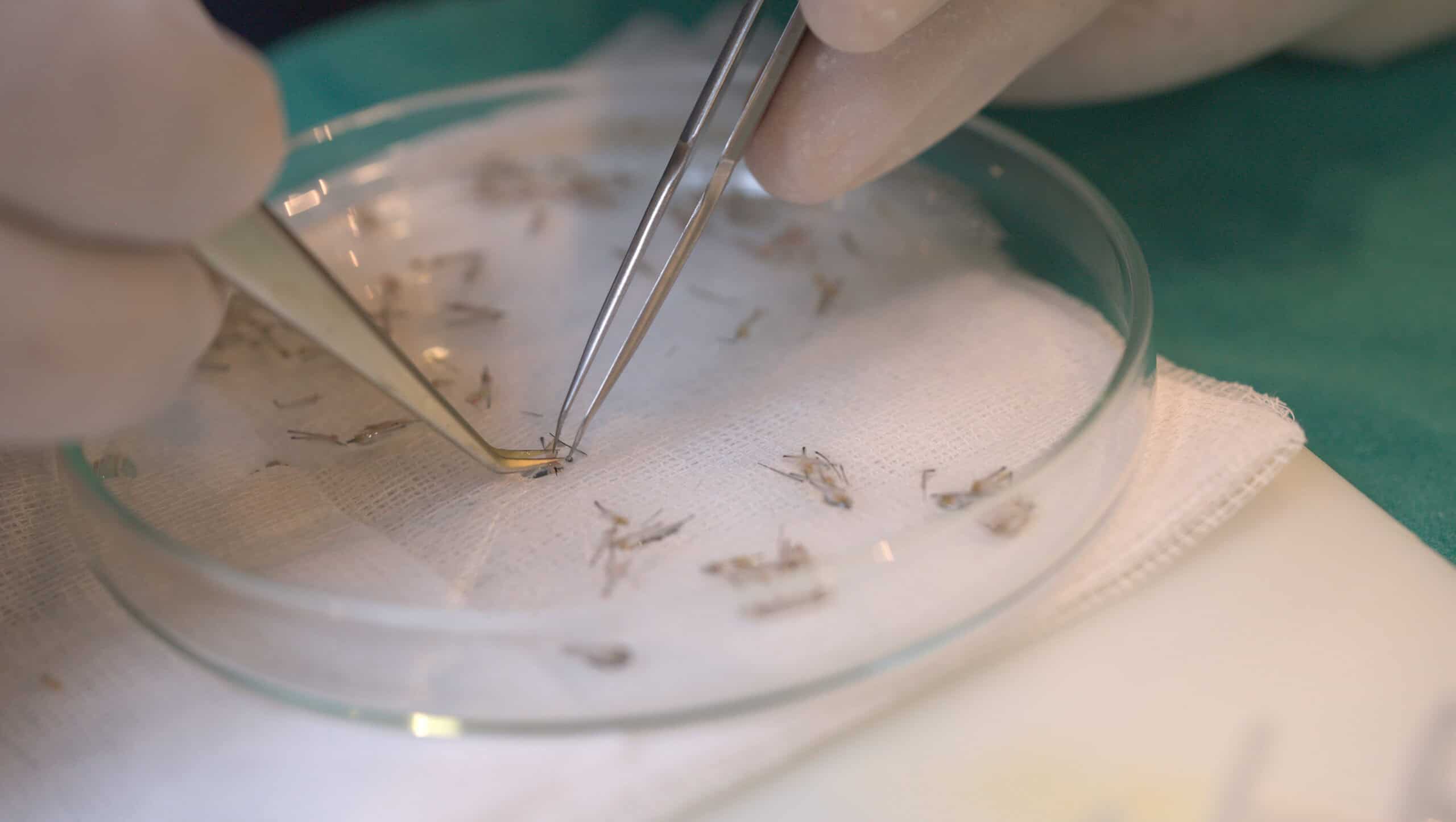
Follicular Signaling Enhancement is Vega’s specialized treatment program for hair follicle regeneration therapy that uses bio-active signaling to restore the scalp microenvironment, rather than simply applying a product to the surface and hoping for a response. This approach sits within the broader scientific field many patients research under terms like hair follicle regeneration stem cell therapy or hair follicle stem cell therapy in Thailand, which studies how regenerative signaling molecules support tissue repair. FSE itself is a secretome-led, signaling-based hair follicle treatment service, delivering a concentrated collection of regenerative messengers directly to the follicle rather than relying on harsh chemicals, systemic medication, or a live-cell injection to force a temporary reaction.
Because this is a medical protocol rather than a retail product, every FSE plan begins with a clinical evaluation of your specific pattern of thinning, so the signaling delivered is matched to what your follicles actually need rather than a generic, one-size-fits-all formulation.
The Pathophysiology of Signaling Disruption
The human hair follicle functions within a highly regulated follicular niche, governed by an intricate network of autocrine and paracrine signaling pathways. To sustain its residence in the Anagen (proliferative) phase, a follicle requires the continuous presence of specific morphogens and mitogenic proteins that drive cellular division.
When these signaling pathways are attenuated, the follicle undergoes progressive involution, leading to thinning and eventual dormancy. FSE is strategically engineered to bypass these inhibitory pathways through two primary clinical objectives:
- Micro-environmental homeostasis: Normalizing dermal pH, interstitial hydration, and cytokine balance to transition the scalp from a chronic pro-inflammatory state to a receptive, pro-regenerative environment, since even the most advanced signaling struggles to take effect in a scalp that has not been prepared to receive it.
- Cellular signal transduction: Delivering a concentrated secretome of exogenous messengers to re-initiate the transcriptional programs required for robust protein synthesis and hair shaft keratinization, the biological process that ultimately determines whether new hair growth is thin and fragile or thick and resilient.
Why Hair Follicles Stop Producing Hair
Follicles rarely fail for one single reason. In clinic we nearly always find a combination at work:
- Genetic and hormonal drivers. In androgenetic alopecia, DHT sensitivity progressively shortens the anagen (growth) phase with every cycle. Each new hair comes through finer and shorter than the last. That is miniaturisation.
- Reduced microvascular perfusion. Less blood flow means less oxygen and fewer building blocks reaching the follicle, so it cannot sustain a full growth phase even when the biology is otherwise willing.
- Chronic perifollicular inflammation and oxidative stress. This quietly pushes follicles into a resting state months or even years before you notice any visible thinning.
- A degraded follicular niche. The surrounding dermal environment stops producing the signalling molecules the follicle depends on.
This is exactly why single-mechanism treatments tend to underperform. A topical vasodilator addresses perfusion only. A DHT inhibitor addresses hormones only. Neither one restores the signalling environment, and that gap is precisely what follicle repair therapy is designed to close.
How FSE Reactivates Dormant Follicles
FSE delivers bio-active signaling molecules and growth factors designed to communicate directly with the follicle’s regulatory machinery, rather than simply stimulating blood flow at the surface. These messengers may help follicles re-enter the Anagen phase, support increases in hair shaft diameter, and reinforce the surrounding scalp environment, so the response is directed at the biological cause of dormancy rather than its visible symptoms.
As a non-surgical follicle repair therapy, FSE provides this regenerative input without surgical instrumentation, which is why many patients consider it either before deciding on hair transplantation or alongside it, depending on how much viable follicular density remains.
Clinical Versatility: Standalone Therapy or Procedural Adjunct
The utility of FSE lies in its adaptable application within a comprehensive dermatological treatment plan. Our team determines the appropriate modality based on a rigorous, multi-parametric clinical assessment, rather than offering the same protocol to every patient regardless of their starting point.
FSE as a Standalone Regenerative Strategy
In cases of early-stage non-scarring alopecia or general follicular fatigue, FSE may be implemented as a primary therapeutic pillar rather than a supporting measure, since many patients at this stage have not yet lost their follicles altogether, only their ability to sustain active growth.
Clinical indications: Patients presenting with detectable miniaturization but maintaining viable follicular populations, meaning the biological groundwork for regrowth is still present and simply needs the right signaling to reactivate it.
Therapeutic goal: To fortify existing hair structures, support increases in the cross-sectional area of the hair shaft, and extend the active growth cycle without surgical intervention, so patients who are not yet candidates for, or are not interested in, a transplant still have a medically grounded option available to them.
FSE as a Synergistic Adjunct to Hair Transplantation
When integrated into ahair restoration procedure, FSE functions as a biological catalyst for graft integration rather than a separate, disconnected add-on. Our team incorporates FSE into peri-operative and post-operative protocols to support the take rate of transplanted units, since even a technically excellent transplant depends on how well the recipient site is prepared to receive new grafts.
Bio-vascular synchronization: FSE provides immediate signaling support to relocated grafts, facilitating the rapid re-establishment of micro-vascular connections, which shortens the window during which grafts are most vulnerable to failure.
Maximized follicular survival: By optimizing the biological receptivity of the recipient site, FSE supports the cumulative survival rate of newly situated follicles, contributing to improved overall density, a distinction that often becomes most visible when comparing outcomes at the twelve-month mark rather than immediately after surgery.
Who Is FSE Hair Follicle Treatment For?
FSE is suitable for a defined range of patient profiles. Common candidates include:
- Patients with early to moderate hair thinning at the crown or hairline
- Patients with androgenetic hair loss where follicles are weakened but not fully lost
- Post-hair-transplant patients seeking to protect grafts and surrounding native hair
- Individuals who prefer a regenerative, non-surgical approach to hair follicle treatment
- Patients combining FSE withHair & Scalp Regeneration as part of an integrated plan
A trichoscopy-based assessment with our medical team is the only reliable way to confirm whether FSE is appropriate for your specific case, since two patients with similar visible thinning can have very different underlying follicular biology.
FSE vs. Other Hair Follicle Regeneration Treatments
Different approaches to hair loss work through different mechanisms. The table below compares Follicular Signaling Enhancement with other commonly considered options for hair follicle regeneration therapy, so you can discuss the right combination with our medical team rather than choosing based on price alone.
Treatment | Mechanism | Surgical? | Best Suited For | Result Longevity |
FSE (Follicular Signaling Enhancement) | Bio-active signaling and secretome support designed to restore the scalp microenvironment and re-activate dormant follicles | No | Early to moderate thinning, transplant support, regenerative care | Long-term with maintenance, for suitable candidates |
Surgical relocation of follicles from donor zone to thinning areas | Yes | Defined recession or advanced androgenetic alopecia | Long-lasting for transplanted grafts in suitable candidates | |
PRP | Autologous blood-derived growth factor injections | No | Mild thinning and early hair loss | Typically temporary and maintenance-dependent |
Minoxidil | Topical vasodilator | No | Maintenance therapy under physician supervision | Effect often diminishes when discontinued |
Finasteride | Oral DHT inhibitor | No | Androgenetic hair loss management under physician supervision | Effect often diminishes when discontinued |
FSE is positioned as a non-surgical, environment-focused hair follicle regeneration therapy that targets the long-term scalp foundation rather than short-term stimulation alone.
The FSE Treatment Process at Vega
Every FSE plan at Vega follows a structured medical pathway designed to support clinical accountability and measurable progress:
- Initial consultation: Detailed medical history, scalp examination, and discussion of treatment goals at our hair follicle regeneration clinic in Bangkok
- Trichoscopy and digital mapping: High-magnification imaging to assess follicular density, miniaturization, and scalp condition
- FSE session(s): Delivery of bio-active signaling under physician supervision, with session length and spacing tailored to each patient
- Aftercare: Personalized scalp care guidance and short-term recommendations to support optimal response
- Follow-up reviews: Scheduled monitoring with objective progress tracking over the treatment period
Your doctor will confirm the recommended number of sessions and intervals during consultation based on your scalp condition and goals, and will explain what to expect at each stage before your first session begins.
Tracking Your Results
Academic transparency is a cornerstone of our clinical philosophy. During FSE therapy, we use objective biometrics to document the progressive enhancement of the scalp’s regenerative capacity.
High-Resolution Trichoscopy
Quantitative observation of follicular activity and hair shaft diameter, allowing measurable comparison across visits. This is the same imaging used at your initial assessment, so your progress is tracked against a consistent baseline rather than a new estimate each time.
Digital Follicular Mapping
Longitudinal measurement of follicular density and terminal-to-vellus hair ratios across defined scalp zones for consistent tracking. Mapping specific zones means we can see whether improvement is occurring evenly across the scalp or concentrated in particular areas, which can shape adjustments to your ongoing plan.
Dermal Biomarker Grading
Standardized clinical assessment of scalp condition, including perifollicular inflammation, oiliness, scaling, and vascular pattern, to confirm overall cutaneous health. Because a healthier scalp environment is what allows signaling to keep working over time, this grading is reviewed at every follow-up rather than only at the start of treatment.
The Impact of FSE on Long-Term Clinical Outcomes
Conventional hair loss treatments frequently result in transitory effects that resolve once therapy is discontinued, which is a common source of frustration for patients who have already tried multiple over-the-counter approaches. Because FSE focuses on the dermal-papilla complex’s underlying structural integrity, our team is working at the level of the biological substrate rather than only the visible symptom. By refining this substrate, FSE supports clinical outcomes built on a long-term physiological foundation rather than a transient boost, which is the distinction most patients are ultimately looking for when they search for a genuine hair follicle regeneration stem cell therapy rather than another temporary product. This emphasis on microenvironmental modification reflects Vega’s commitment to medically rigorous and naturally sustained results.
Cost of Follicular Signaling Enhancement in Thailand
The cost of FSE hair follicle treatment at Vega varies according to your scalp condition, the number of sessions recommended, and whether FSE is used as a standalone regenerative strategy or as an adjunct to hair transplantation. Each plan is built from your trichoscopy findings, so pricing reflects your actual clinical requirement rather than a one-size-fits-all package. After your assessment, our team provides a clear, itemised quotation and explains what each stage includes, so you can make an informed decision before treatment begins.
Why Choose Vega for Hair Follicle Regeneration in Thailand
- Regenerative dermatology specialization: FSE sits within Vega’s broader expertise in hair, skin, and wound regeneration, so your treatment is designed by a team focused specifically on this biology rather than offered as a side service at a general clinic.
- Bangkok clinic serving international patients: Care for patients from across Thailand and overseas seeking advanced hair follicle regeneration therapy
- Integrated treatment planning: FSE can be combined withhair transplantation orHair & Scalp Regeneration under one medical team
- Objective progress monitoring: Every patient is tracked with trichoscopy, follicular mapping, and biomarker grading rather than visual estimation alone, so you can see measurable change at each visit.
- Medically led, evidence-aware approach: Treatment plans are designed by physicians with realistic, science-based expectations, distinguishing FSE clearly from the overstated claims common in this space.
The result is a non-surgical follicle repair therapy built on medical foundations, designed for sustained results in suitable candidates.
Ready to experience a scientifically proven approach to hair restoration? We invite you to reach out to our team today to discover how our tailored regeneration therapies can work for you.