
Key Takeaways
- Hair loss is rarely caused by genetics or hormones alone, and the world around the scalp can play a meaningful role too.
- Pollution, UV exposure, hard water, and harsh styling can all add stress to the scalp and weaken the hair shaft over time.
- For people already prone to thinning, environmental stress often accelerates what is already underway rather than causing it from scratch.
- Daily habits such as scalp protection, gentle cleansing, and lighter styling can support a healthier scalp environment.
- A proper assessment that looks at both internal and external factors gives the clearest picture of what is contributing to thinning.
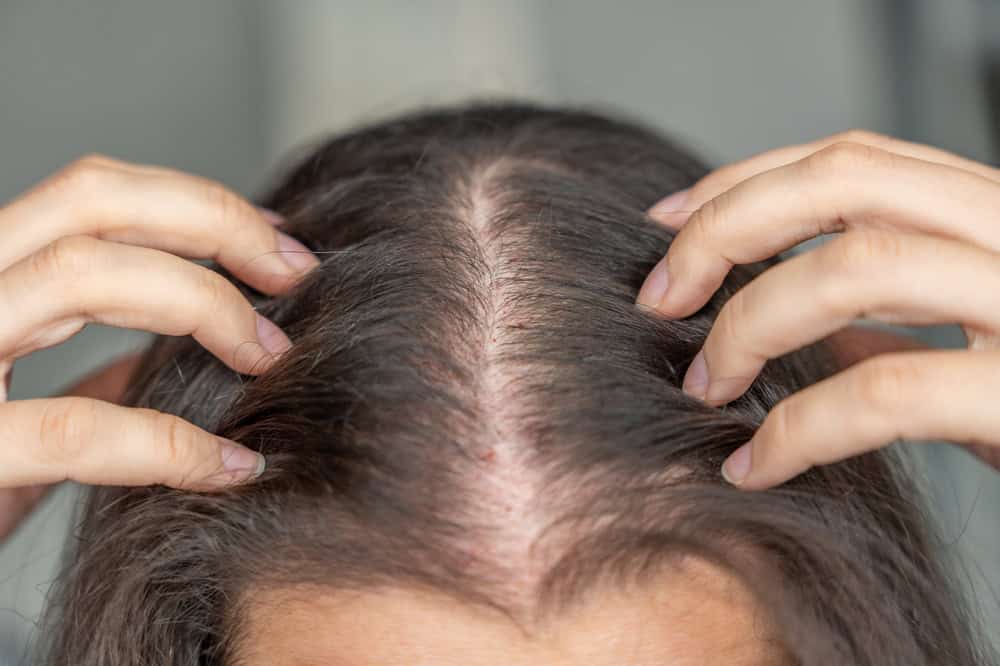
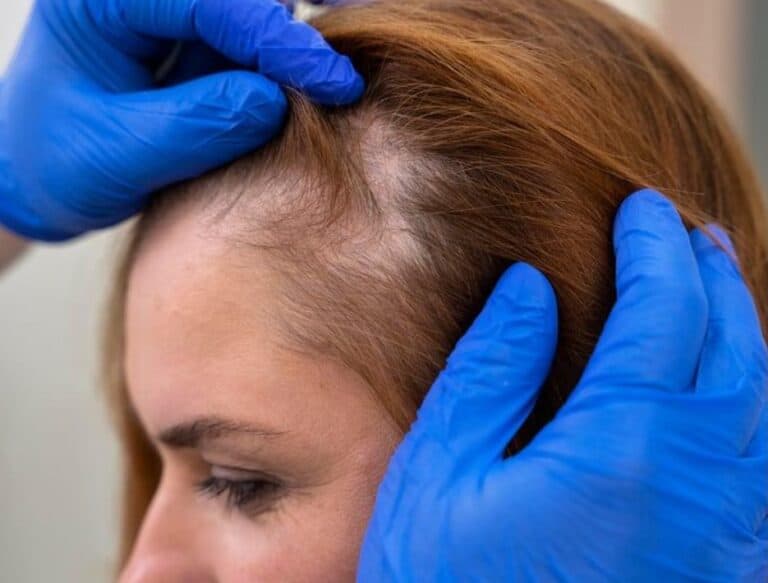
Hair loss is often attributed solely to genetics or hormones, yet the surrounding environment exerts a meaningful influence on scalp and follicle health. Air pollution, ultraviolet radiation, hard water, climate exposure, daily styling habits, and chronic stress can quietly act on the scalp and hair shaft over months and years, often well before visible thinning appears. In patients with a genetic or hormonal predisposition to hair loss, these external factors rarely operate in isolation, but they can accelerate the underlying process and weaken the structural quality of the hair.
How Your Environment Impacts Hair Loss
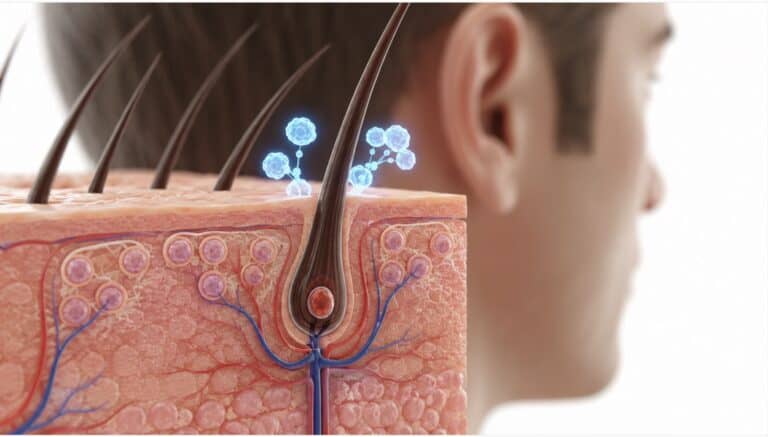
Hair follicles are among the most metabolically active structures in the body. Healthy hair growth depends on a steady supply of oxygen, nutrients, and cellular energy, supported by a stable scalp microenvironment. When the scalp is continuously exposed to external stressors, this supportive environment is gradually compromised, and follicular function begins to decline.
Environmental factors seldom cause sudden, patterned baldness on their own. More commonly, they accelerate a process already established by genetic, hormonal, or nutritional predisposition. This explains why two individuals living in the same city, with similar daily habits, can experience markedly different rates of hair loss. The earliest clinical signs are typically subtle: increased shedding, dullness, brittleness, scalp irritation, or a noticeable reduction in density well before any visible bald patches form. In many cases, the hair shaft itself weakens first, giving the impression of thinning before any follicular loss has occurred.
Environmental Causes of Hair Loss
Air Pollution and Particulate Matter
Fine particulate matter, including PM2.5 and PM10, along with smoke and industrial dust, accumulates on the scalp throughout the day. Pollutant exposure reduces the proteins essential for hair growth and damages the keratinocytes within the hair follicle. Sustained build-up triggers scalp inflammation and disrupts normal follicular function. Patients living in heavily polluted urban areas or near major roadways frequently present with increased shedding, scalp irritation, and dullness disproportionate to their age.
UV and Sun Exposure
Unprotected sun exposure damages hair from the outside in. Ultraviolet radiation breaks down keratin and melanin, the structural proteins of the hair shaft, leaving strands drier, more brittle, and prone to breakage. On the scalp, repeated UV exposure produces low-grade inflammation that disrupts the hair growth cycle. In patients predisposed to thinning, chronic UV exposure is a recognized contributing factor in the progression of androgenetic hair loss.
Environmental Toxins and Chemicals
Heavy metals, polycyclic aromatic hydrocarbons (PAHs) from smoke and vehicle exhaust, and various industrial chemicals place follicular cells under oxidative stress and cause cumulative cellular damage. Long-term exposure is associated with diffuse hair shedding and interacts with hormonal pathways implicated in androgenetic hair loss.
Climate, Hard Water, and Styling Stress
Climate and water quality also affect scalp condition. Dry air, prolonged air-conditioning exposure, very hot showers, and hard water strip natural moisture from the scalp, deposit mineral build-up on the hair shaft, and leave strands rough and brittle. Frequent heat styling, chemical processing, bleaching, and tight hairstyles impose additional mechanical and chemical stress on hair already vulnerable to damage.
Lifestyle and Stress as Environmental Factors
The “environment” extends beyond what surrounds the scalp to include the internal state of the body. Chronic stress, inadequate sleep, and irregular nutrition each influence the hair growth cycle from within. Sustained psychological or physical stress, in particular, can shift a higher proportion of hairs into the resting (telogen) phase, producing the diffuse shedding pattern known as telogen effluvium, which typically appears two to three months after the triggering event.
How the Environment Affects the Hair Growth Cycle
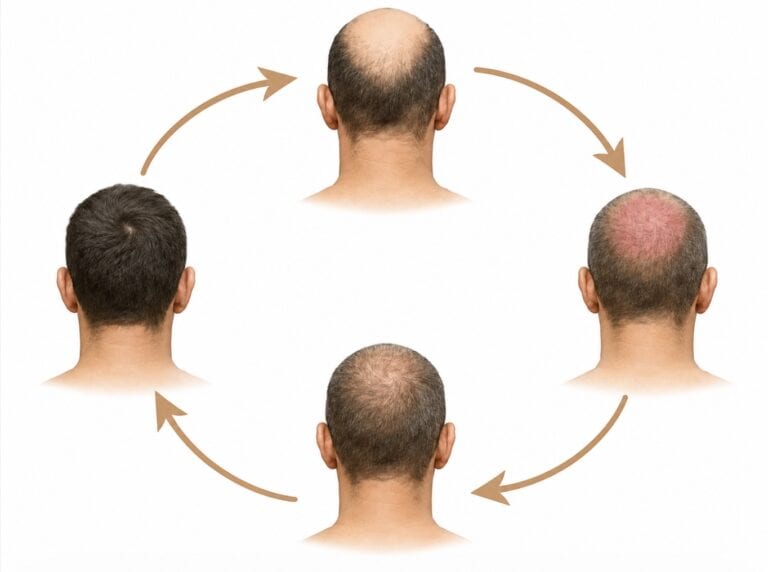
Hair grows in a defined biological cycle, alternating between an active growth phase known as anagen and a resting and shedding phase known as telogen. Pollutants and toxins shorten the anagen phase and prematurely transition follicles into telogen, producing increased shedding a few months later. UV radiation and harsh climate conditions act earlier in this chain, primarily damaging the visible hair shaft, so dryness, breakage, and frizz often precede any thinning at the root. When multiple stressors converge, a follicle already weakened by genetic predisposition, hormonal influence, or scalp irritation shows signs of dysfunction sooner than expected.
Supporting a Healthier Scalp Environment
Recognizing how your environment impacts hair loss is the first step; addressing it requires consistent practice. While many environmental causes of hair loss lie beyond individual control, several daily habits directly support scalp health:
- Protect the scalp from sun exposure. Wear a hat, scarf, or UV-protective product during extended outdoor activity, particularly during peak sunlight hours.
- Cleanse the scalp consistently. A gentle shampoo removes pollutants, sweat, sebum, and product residue. Patients in heavily polluted regions or those frequently outdoors may benefit from more regular cleansing.
- Reduce heat and chemical stress. Limit very hot water, frequent straightening or bleaching, and tight hairstyles that exert tension on the roots.
- Support resilience internally. Balanced nutrition, adequate hydration, restorative sleep, and stress management strengthen the follicle’s capacity to withstand environmental stress.
Hair loss is rarely the result of a single cause. Genetics and hormones contribute meaningfully, but pollution, UV exposure, water quality, climate, and lifestyle factors collectively shape both scalp health and the hair growth cycle. When shedding persists or thinning becomes clinically apparent, a comprehensive assessment that considers internal and external causes provides the clearest path forward.
A Medical, Personalized Approach to Hair Loss
Vega Dermatology & Wound Care Unit is not a cosmetic clinic. It is a focused medical unit built around dermatology, wound-care science, scalp health, and regenerative biology. The clinical team approaches hair loss as a medical condition shaped by follicle biology, scalp integrity, and circulation, rather than a surface-level concern, and the practice is dedicated exclusively to conditions involving skin, tissue, and follicular health.
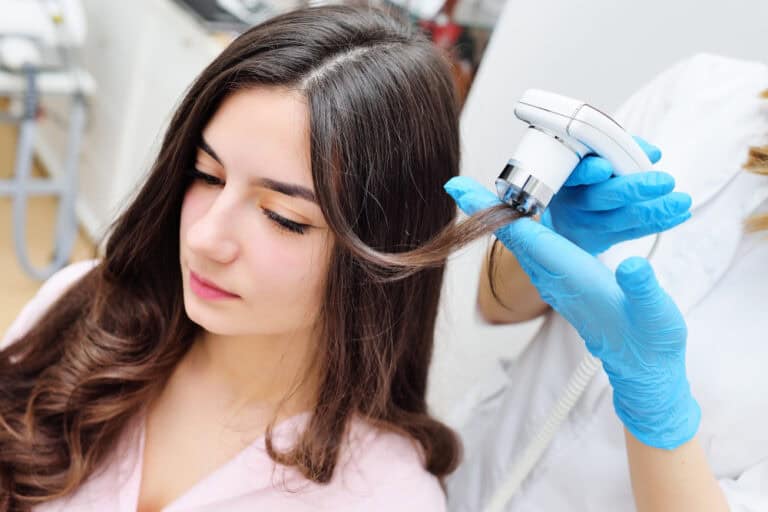
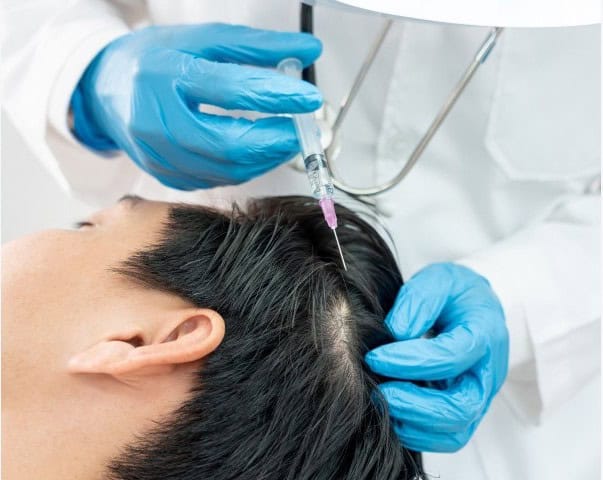
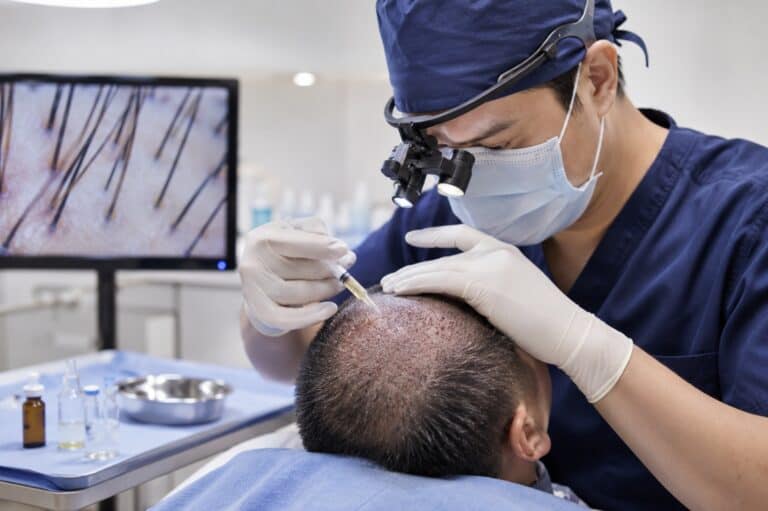
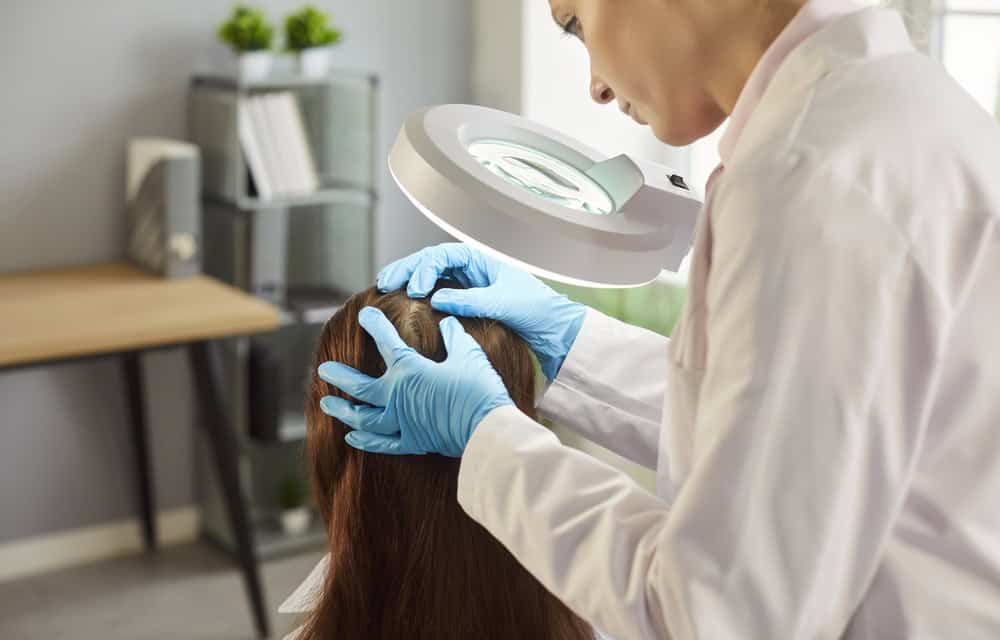
A tailored hair loss therapy plan begins with a structured scalp assessment to evaluate follicle density, signs of thinning, and overall scalp condition. Treatment then follows a defined clinical pathway: preparing the scalp environment, supporting follicles toward a healthier growth phase through regenerative options, and tracking progress with objective measurements. Patients are seen in a private setting, with an emphasis on careful evaluation, treatment planning, patient suitability, and the transparent communication of realistic clinical expectations throughout care.
Noticing increased shedding, reduced density, or scalp changes that are not resolving? Book a consultation to determine the underlying cause and discuss appropriate treatment options.
References:
The Effects of Environmental Pollutants and Exposures on Hair Follicle Pathophysiology. Retrieved on 29 May, 2026 from https://karger.com/sad/article/10/4/262/902859/The-Effects-of-Environmental-Pollutants-and
Particulate Matters Induce Apoptosis in Human Hair Follicular Keratinocytes. Retrieved on 29 May, 2026 from https://pmc.ncbi.nlm.nih.gov/articles/PMC7992589/
Frequently Asked Questions About Environmental Hair Loss
Q: Is hair loss really genetic? How may your environment be affecting hair growth?
A: Genetics and hormones still play a big role in hair loss, but they rarely act alone. Pollution, UV exposure, hard water, harsh styling, and chronic stress can all add pressure to the scalp and may speed up thinning in people who are already prone to it. In most cases, environmental factors amplify existing causes rather than create them from nothing.
Q: Can pollution really cause hair loss?
A: Pollution does not usually cause hair loss on its own, but research suggests that fine particulate matter may damage follicle cells, reduce key hair growth proteins, and irritate the scalp over time. In someone already prone to thinning, ongoing pollution exposure may contribute to more shedding and a less healthy scalp.
Q: Does sun exposure affect the hair and scalp?
A: Yes. UV exposure can degrade keratin and melanin in the hair shaft, leaving hair drier and more prone to breakage. Repeated, unprotected scalp exposure may also trigger low-level inflammation that can influence the hair growth cycle, especially in people who already have signs of thinning.
Q: Can stress trigger hair loss?
A: Yes. Significant or sustained stress can push more hairs into the resting phase of the cycle, leading to diffuse shedding known as telogen effluvium. This usually appears 2 to 3 months after the trigger and often improves over time once the underlying stress is addressed.
Q: When should I see a doctor about hair loss?
A: It is worth seeing a specialist if shedding lasts more than a few months, if hair is visibly thinning, if there are bald patches, or if scalp symptoms such as itch, pain, or redness appear. A clinical assessment can help identify whether environmental, genetic, hormonal, or nutritional factors are involved.

The Vega Derma Medical Team consists of board-certified dermatologists, specialized trichologists, and clinical researchers based in Bangkok, Thailand. Our team specializes in evidence-based regenerative dermatology, complex tissue repair, and advanced hair restoration (including precision FUE and FSE). Every protocol and article we publish is medically reviewed to ensure it meets international clinical standards, providing safe, science-backed guidance for our local and international patients.